The best time to visit Red River Gorge for most people is mid to late October, when the leaves turn, or April, when the wildflowers are out and the trails are quieter. Summer and winter both work too, as long as you know what each one asks of you.
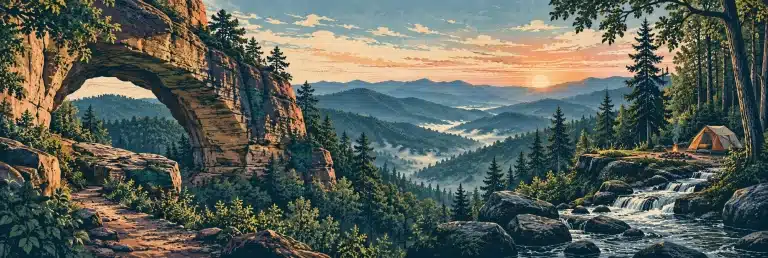
The Gorge sits inside the Daniel Boone National Forest in eastern Kentucky, about an hour east of Lexington. It is known for sandstone cliffs, rock shelters and what Kentucky Tourism calls the largest collection of sandstone arches east of the Rockies. None of that changes with the calendar, but the crowds, the trail conditions, the roads and the light all do. Here is how the year actually plays out, so you can pick the trip that fits you.
The short answer, season by season
| Season | Why go | What to watch for |
|---|---|---|
| Spring (March to May) | Wildflowers, running creeks, mild hiking weather | Mud, slick rock after rain, changeable weather |
| Summer (June to August) | Long days, swimming holes, shady trails | Heat and humidity, ticks, busy weekends |
| Fall (September to November) | Peak color, cool mornings, best views | The busiest weekends of the year, full trailhead lots |
| Winter (December to February) | Solitude, open views through bare trees, icicles on the cliffs | Ice, short days, some gravel roads gated |
Fall: the season everyone wants
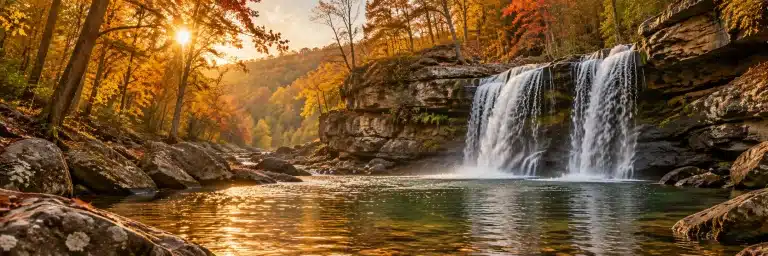
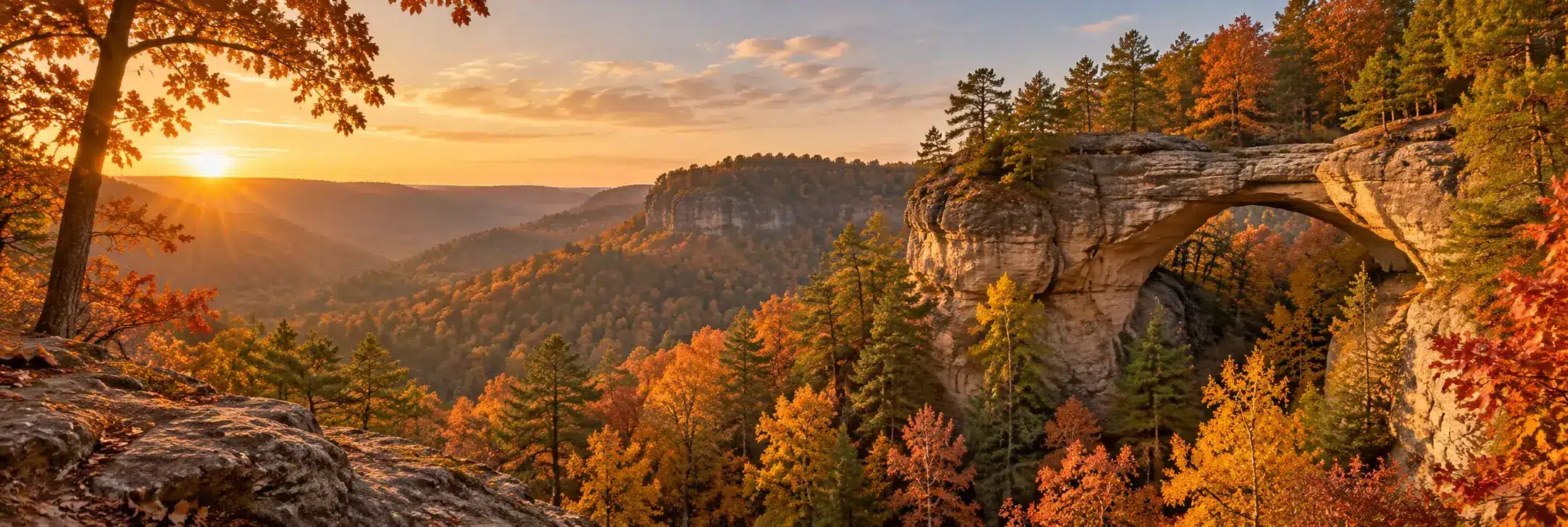
If you only get one trip, October is hard to beat. Red River Gorge Tourism puts peak color in mid to late October, with higher ridges turning first in the early part of the month and the valleys and lower trails catching up toward the end. Their advice is to aim for roughly October 15 to 31 for the best chance at peak, and that lines up with what most fall foliage forecasts say for central and eastern Kentucky.
The catch is that everyone else has read the same thing. October weekends are the busiest stretch of the year, and popular trailhead lots fill early. A few ways to make fall work:
- Go on a weekday if you possibly can. The difference is real.
- Start early. Get to the trailhead around sunrise and you will usually find a spot and get the overlooks before the crowds.
- Park only in designated lots. The Forest Service prohibits roadside parking on Tunnel Ridge Road, and lots that are full are full.
- Have a backup plan. If one lot is packed, move on to a less famous trail instead of circling.
Leaf timing shifts with rain and temperature every year, so check recent reports the week before you go rather than trusting a date you saw in June. If you want to spread the color out over a whole weekend, our guide to Kentucky fall color drives pairs well with a Gorge trip.
Spring: wildflowers and waterfalls
Spring is the quiet favorite of a lot of regulars, and it is easy to see why. The creeks run full, the small waterfalls under the cliffs actually fall, and the forest floor fills in with flowers. The Forest Service describes the Whittleton Branch section of the Sheltowee Trace, which runs between KY 15 and Natural Bridge State Resort Park, as best visited from late March to late April for wildflowers, with trilliums, showy orchis and other spring ephemerals along the stream. Mountain laurel follows later in the spring.
The trade off is mud. Trails along creeks get wet and slippery, and sandstone is slick when it is damp, which matters a lot near cliff edges. Bring shoes with real grip and expect to get them dirty. Spring weather in Kentucky can swing from warm to cold in a day, so pack a layer even if the forecast looks easy.
If you are planning your first visit, spring is a great time to start with the shorter, well known hikes. Our list of Red River Gorge hikes for first-timers covers which ones to do first.
Summer: long days and shade
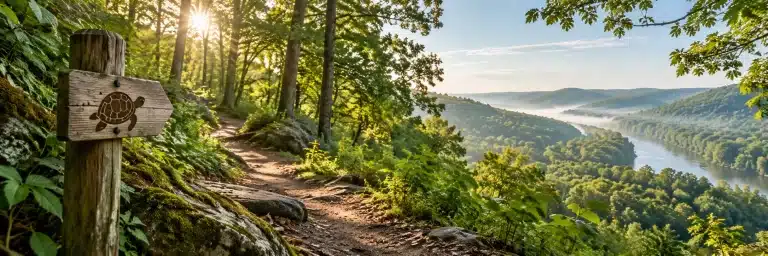
Summer brings the longest days and the most options for a full trip. The forest canopy keeps many trails shaded, and the river and creeks are part of the fun. It is also hot and humid, and the climbs out of the hollows feel steeper in July than they do in October.
- Hike early in the day and save the afternoon for something slower.
- Carry more water than you think you need.
- Check for ticks after every hike.
- Watch the sky. Summer storms can build quickly, and you do not want to be on an exposed ridge or near a cliff edge when one arrives.
Summer weekends are busy too, though usually not as packed as peak fall. Holiday weekends are their own category of crowded.
Winter: the underrated season
Winter is the best time to see the bones of the Gorge. With the leaves down, you can see cliff lines, arches and rock shelters from the trail that are hidden the rest of the year. Cold snaps can hang icicles off the overhangs, which is a sight worth the chilly drive.
Two big cautions. First, ice. Sandstone ledges, steps and shaded sections of trail can stay icy long after the parking lot looks clear, and a slip near a cliff is serious. Traction devices for your boots are a smart buy. Second, roads. The Forest Service closes several gravel roads in the Red River Gorge and Indian Creek area to vehicles over the winter to keep them from rutting in freeze and thaw weather. In recent winters that has included Chimney Top Road (Forest Road 10), Tunnel Ridge Road and Rock Bridge Road. The roads stay open to foot and bike traffic, and they reopen when conditions improve in spring. Check the Daniel Boone National Forest alerts page before you go so you are not surprised by a gate.
Days are short, so plan to be off the trail well before dark.
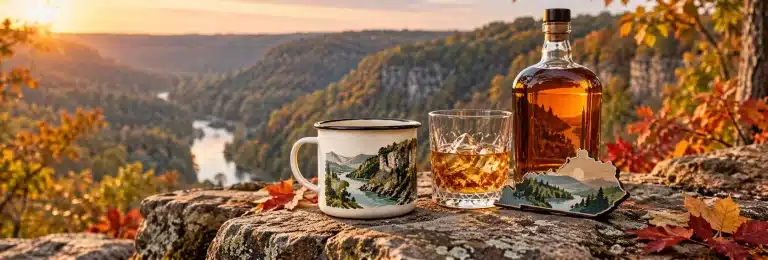
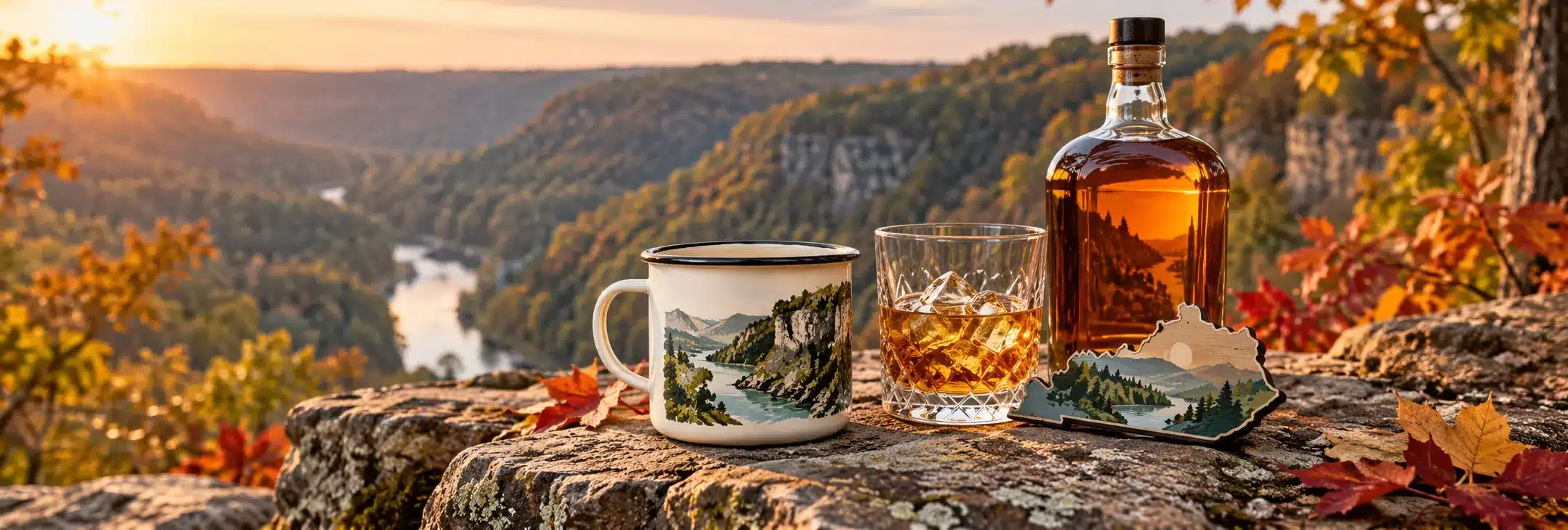
 Kentucky Enamel Camp Mug: Autumn woodland, Woodcut Kentucky Silhouette$32.95See it →
 Red River Gorge Rocks Glass: Gorge Air. Clear Head, Woodland Scenic Lettering$23.95See it →
 Kentucky Vinyl Sticker: Wildflower meadow, Vintage Kentucky Silhouette Price range: $14.95 through $22.95See it →
Things that matter in every season
Overnight parking passes
If you plan to camp in the backcountry, the Forest Service requires a recreation permit displayed on any vehicle parked on KY 15 or in the Red River Gorge and Indian Creek area north of KY 15 between 10 p.m. and 6 a.m. As listed on the Forest Service Red River Gorge page, the overnight pass is $5 for one day, $7 for three days, or $50 for an annual pass per vehicle, sold at Forest offices and local vendors. Fees can change, so confirm on the official Red River Gorge page before your trip.
Where you can camp
Camping in the Gorge is not allowed within 300 feet of developed roads, Tunnel Ridge Road or developed trails, or within 600 feet of Gray’s Arch, except at designated sites. If you would rather have a campground, the Forest Service lists Koomer Ridge Campground with 54 sites. Our Red River Gorge camping guide goes deeper on both options.
Getting oriented
The Gladie Visitor Center on Sky Bridge Road near Stanton is a good first stop for maps, trail conditions and local advice. Hours can change, so check before you count on it. For a scenic way in, the Red River Gorge Scenic Byway runs about 46 miles and takes about an hour of driving without stops, according to the Forest Service. It passes through the Nada Tunnel, a one-lane former logging railroad tunnel that oversized vehicles should avoid.
Cliffs are the real hazard
The Gorge is beautiful because it is made of cliffs, and the cliffs do not care what season it is. Stay on trail, keep well back from edges, especially when rock is wet, icy or covered in leaves, and do not hike near drop offs in the dark.
So when should you go?
- Want the classic view: mid to late October, on a weekday, starting early.
- Want flowers and fewer people: April.
- Want a long, easy family trip: early summer, before the worst of the heat.
- Want the place nearly to yourself: a clear winter day, with traction on your boots and an eye on road closures.
Questions people ask
When is peak fall color in Red River Gorge?
Usually mid to late October. Higher ridges tend to turn first and lower valleys later, and the exact timing moves a bit each year with weather. Check recent reports the week before you go.
What is the least crowded time to visit Red River Gorge?
Winter weekdays are the quietest. Spring weekdays are a good balance of fewer people and good hiking weather. October weekends are the busiest time of year.
Is Red River Gorge worth visiting in winter?
Yes, if you prepare for it. Bare trees open up views of cliffs and arches, and the trails are quiet. Expect ice on shaded rock and check for seasonal gravel road closures before you drive in.
Do I need a permit to visit Red River Gorge?
Day hiking does not need a permit. If you camp in the backcountry, your vehicle needs an overnight recreation pass displayed between 10 p.m. and 6 a.m. in the covered area. Check the Forest Service page for current prices.
How many days do you need in Red River Gorge?
One full day lets you hike a couple of trails and see a few arches. A long weekend lets you mix longer hikes with a slower day at Natural Bridge or along the scenic byway, which is how most people end up wishing they had planned it.
More in Red River Gorge and Kentucky Scenes.